
A Preview of Your Next Eye Exam
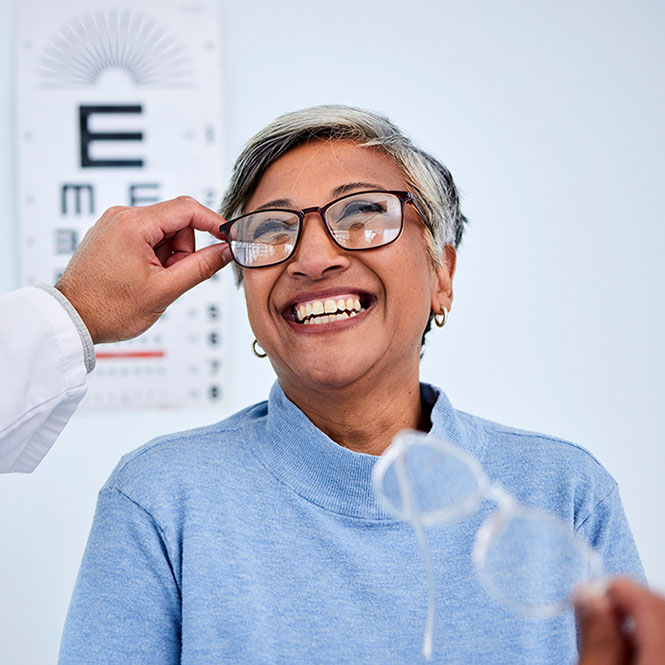
Maintaining optimal eye health starts with regular check-ups with the optometrist.
Visiting your optometrist for an eye exam is crucial for maintaining not only your vision but also your overall health. For those who have never been, or who haven’t gone in a while, here’s what you can typically expect during an eye examination.
Arrival and Preliminary Tests
When you arrive at the optometry office, you'll likely start with some paperwork. This includes providing your medical history and any vision problems you're experiencing. Once the paperwork is completed, preliminary tests are often conducted by an optometric technician. These tests might include:
- Visual Acuity Test: This test measures how clearly each eye is seeing. You’ll be asked to read letters on a chart across the room to determine the sharpness of your vision.
- Tonometry: This test measures eye pressure and is important for detecting glaucoma. The most common method involves a quick puff of air onto the eye.
- Autorefractor: This device estimates the lens power you need to correct your vision by measuring how light is changed as it enters your eyes.
The Comprehensive Eye Exam
After the preliminary tests, the optometrist will conduct a more thorough examination. This part of the visit is critical as it involves a series of tests to assess both your vision and the health of your eyes.
- Refraction Assessment: This test determines your exact vision prescription. The optometrist will have you look through a device called a phoropter, which contains different lenses. You'll be asked which of the lenses make the letters on the opposite wall clearer.
- Slit Lamp Exam: This microscope lets the optometrist examine the structures at the front of your eyes under high magnification. It’s used to check for cataracts, macular degeneration, corneal ulcers, and more.
- Dilated Eye Exam: To get a good look at the internal structures of your eye, including the retina and the optic nerve, eye drops are used to widen your pupils. This test is crucial for detecting diseases such as diabetic retinopathy and macular degeneration. Note that your vision will be blurry and you'll be sensitive to light for a few hours after dilation.
Discussion and Plan
After the examination, the optometrist will discuss the results with you. If vision correction is needed, we'll discuss options such as glasses and contact lenses. Additionally, if we detect any eye health issues, we'll talk about a treatment plan. This could include medications, follow-up appointments, or possibly referral to a specialist.
Lifestyle Advice and Vision Health Tips
Finally, your optometrist may provide advice on how to protect your vision. This might include nutritional tips, recommendations for protective eyewear, or scheduling routine follow-ups. They will also answer any questions you have about your vision and eye health.
Schedule Your Eye Exam: See the Difference
Regular eye exams are integral to maintaining good vision and eye health. They allow for early detection and treatment of eye conditions, potentially saving your sight. By knowing what to expect, you can go into your appointment feeling informed and ready to take an active role in your eye care. Remember, an eye exam is not just about getting the right prescription for glasses or contacts — it's also about ensuring your eyes are healthy.
Take charge of your vision health today!
The content on this blog is not intended to be a substitute for professional medical advice, diagnosis, or treatment. Always seek the advice of qualified health providers with questions you may have regarding medical conditions.
Quick Links
Helpful Articles
article_category: products
article_category: psychiatry
article_category: faqs
article_category: cats
article_category: general
article_category: services
article_category: technology
article_category: dogs
article_category: restorative
article_category: vision therapy
article_category: contact lenses
article_category: health
article_category: conditions
article_category: eye surgery co-management
article_category: exotic
article_category: cosmetic
article_category: surgical procedures
article_category: aesthetics
article_category: preventative
article_category: ocular disease management
article_category: eyeglasses
article_category: eye health
article_category: large animal
[]
article_category: psychiatry
article_category: faqs
article_category: cats
article_category: general
article_category: services
article_category: technology
article_category: dogs
article_category: restorative
article_category: vision therapy
article_category: contact lenses
article_category: health
article_category: conditions
article_category: eye surgery co-management
article_category: exotic
article_category: cosmetic
article_category: surgical procedures
article_category: aesthetics
article_category: preventative
article_category: ocular disease management
article_category: eyeglasses
article_category: eye health
article_category: large animal
[]
Flowbite is an open-source library of interactive components built on top of Tailwind CSS including buttons, dropdowns, modals, navbars, and more.
Check out this guide to learn how to get started and start developing websites even faster with components on top of Tailwind CSS.
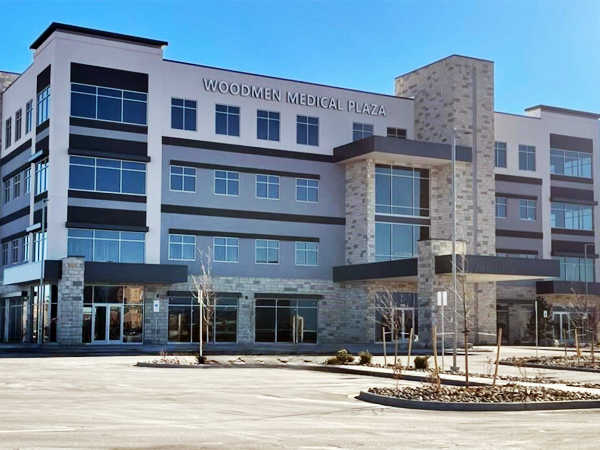
All Eye Care Services
Find personalized eye care excellence with our comprehensive services. From eye exams to advanced diagnostics, trust us for all your vision needs.
Keep In Touch
For non-urgent questions or to learn more about our services, contact us today!

Quick Links
Our Services
Contact Info
Hours of Operation
- Monday 8:00am - 5:00pm
- Tuesday 8:00am - 5:00pm
- Wednesday 9:00am - 5:00pm
- Thursday 8:00am - 5:00pm
- Friday 8:00am - 5:00pm
- Saturday 8:00am - 12:00pm
- Sunday Closed
- Monday
- Tuesday
- Wednesday
- Thursday
- Friday
- Saturday
- Sunday
- Monday
- Tuesday
- Wednesday
- Thursday
- Friday
- Saturday
- Sunday
© 2026 Mountain View Vision. All rights Reserved - Accessibility Statement - Privacy Policy - Sitemap
Managed and Designed by 