
Dry Eye Treatment
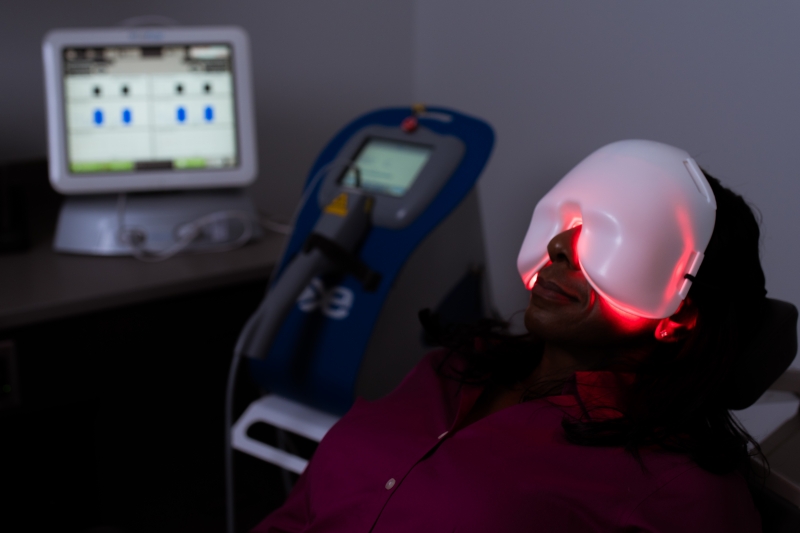
Find relief from dry, itchy, irritated eyes.
Dry eyes affect millions of people in the United States. It is estimated that as many as 4.88 million Americans over the age of 50 suffer from this uncomfortable condition.
Let us help you find a treatment option that brings you the relief you’re searching for.
What are the common symptoms of dry eye?
Everyone experiences dry eye differently because there are so many potential underlying causes.
Typical symptoms include:
Redness or eyes that appear irritated and bloodshot
Consistent burning or tingling sensations in the eyes
Eyes that feel itchy or as if they have something in them
Increased sensitivity to bright lights or sunlight
Excessive tearing, or eyes that always appear watery
Uncomfortable contact lens wear
Blurred vision or variable vision
What causes dry eyes?
Most dry eye complaints are due to a combination of issues. In some cases, the cause is obvious, such as environmental irritants or short-term inflammation.
Some of the other causes of chronic dry eye problems include:
Damaged meibomian glands; the glands that make the oily layer of the tears, causing an unstable tear layer.
Blepharitis – overgrowth of bacteria on the eyelids, irritating the lids and causing a toxic response in the eye.
Allergies
Incomplete closure of the eyelids while blinking or sleeping
Common medications for anxiety/depression, allergies, and HRT
Common systemic conditions – allergies, menopause, auto-immune conditions
Low tear production
Modern digital life and screen time
Living in Colorado – high altitude and low humidity
The underlying causes vary, therefore treatment methods after diagnosis will also vary according to the patient. It is also not uncommon for there to be more than one cause for dry eye.
Why is it important to treat dry eyes?
Dry eye sounds like a simple problem but it can affect every every aspect of your life. It is a long-term chronic condition. If all we do is use an artificial tear to relieve symptoms, it is likely to worsen with time. Early intervention is key to ensuring your daily life is not negatively impacted.
How is dry eye diagnosed and treated?
With thorough imaging of the blink, tear film, meibomian glands, use of dyes, discussing daily activities and close observation of the eye, we can diagnose and provide a treatment plan for the condition.
Some of the typical home treatments include:
OTC tears and ointments
Warm compresses
Supplementing with anti-inflammatory nutrients found in fish oil
Cleaning eye lids
At Mountain View Vision we have a wide array of in-office treatments to treat all the causes of dry eye quickly and effectively:
Lipiflow
Intense Pulse Laser (IPL)
Low Level Light therapy (LLLT)
BlephEx: in-office treatment for blepharitis
Prescription medications for inflammation
Amniotic membranes to treat progressed disease
Low dose tetracycline to treat rosacea
Specialty contact lenses that protect the front surface of the eye
Find relief at Mountain View Vision today!
Quick Links
Helpful Articles
article_category: products
article_category: psychiatry
article_category: faqs
article_category: cats
article_category: general
article_category: services
article_category: technology
article_category: dogs
article_category: restorative
article_category: vision therapy
article_category: contact lenses
article_category: health
article_category: conditions
article_category: eye surgery co-management
article_category: exotic
article_category: cosmetic
article_category: surgical procedures
article_category: aesthetics
article_category: preventative
article_category: ocular disease management
article_category: eyeglasses
article_category: eye health
article_category: large animal
[]
article_category: psychiatry
article_category: faqs
article_category: cats
article_category: general
article_category: services
article_category: technology
article_category: dogs
article_category: restorative
article_category: vision therapy
article_category: contact lenses
article_category: health
article_category: conditions
article_category: eye surgery co-management
article_category: exotic
article_category: cosmetic
article_category: surgical procedures
article_category: aesthetics
article_category: preventative
article_category: ocular disease management
article_category: eyeglasses
article_category: eye health
article_category: large animal
[]
Flowbite is an open-source library of interactive components built on top of Tailwind CSS including buttons, dropdowns, modals, navbars, and more.
Check out this guide to learn how to get started and start developing websites even faster with components on top of Tailwind CSS.

All Eye Care Services
Find personalized eye care excellence with our comprehensive services. From eye exams to advanced diagnostics, trust us for all your vision needs.
Keep In Touch
For non-urgent questions or to learn more about our services, contact us today!

Quick Links
Our Services
Contact Info
Hours of Operation
- Monday 8:00am - 5:00pm
- Tuesday 8:00am - 5:00pm
- Wednesday 9:00am - 5:00pm
- Thursday 8:00am - 5:00pm
- Friday 8:00am - 5:00pm
- Saturday 8:00am - 12:00pm
- Sunday Closed
- Monday
- Tuesday
- Wednesday
- Thursday
- Friday
- Saturday
- Sunday
- Monday
- Tuesday
- Wednesday
- Thursday
- Friday
- Saturday
- Sunday
© 2026 Mountain View Vision. All rights Reserved - Accessibility Statement - Privacy Policy - Sitemap
Managed and Designed by 